
Zombies Arent Real Garrison: The $15 Holder
Why the Zombies Arent Real garrison at $15 plus scaling is the best early purchase, how building cover works and when the rising price stops paying.
Every strategy game has one unit that is technically weak and practically mandatory. In Zombies Arent Real it is the garrison: fifteen dollars, infantry in a building, no range to speak of, and the only thing on the bar that lets you be in more than one place at once.
The garrison's job is not to kill. Its job is to make a street expensive to walk down, so that the units that do kill have time to work.
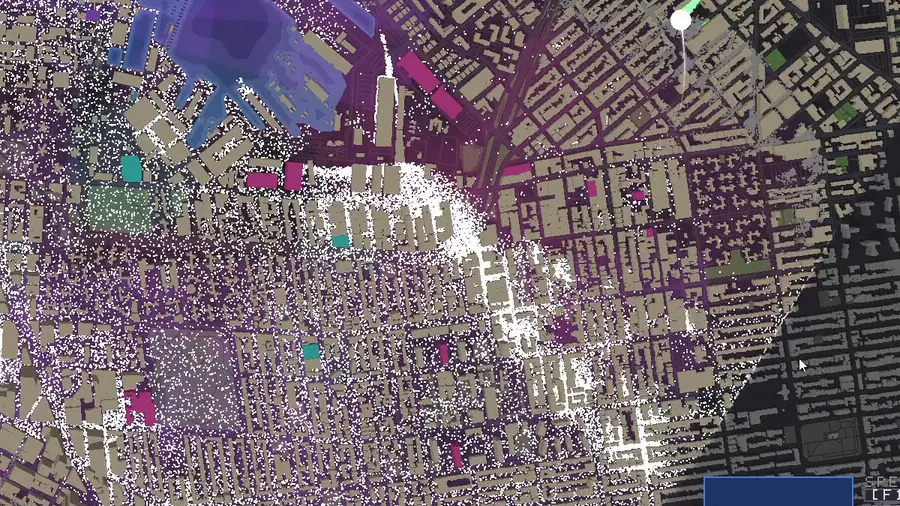
The price ladder is the design
The deploy bar shows the garrison at $15+, and that plus sign is the most important symbol on the screen. Each purchase raises the price of the next one, which produces a very specific curve: the first few garrisons are almost free, and by the time you have ten, the eleventh costs more than a sniper.
Read it as a timer. The game is telling you that cheap bodies are an early-game resource, and that holding ground with them is meant to be a plan you grow out of rather than one you lean on forever.
Practical version: buy four to six garrisons in the first spending pass, place them along the civilian route, and stop before the price passes $35.
What building cover actually does
A garrison occupies a structure. Zombies entering that structure have to fight through the infantry rather than walking past, which converts a wide street into a series of doors.
That is a bigger deal than it sounds, because the horde in this game spreads through buildings rather than following lanes. A garrison in the right block can hold a corridor that would otherwise empty out in thirty seconds, and it does so at a price that lets you place six of them.
The corollary is that a garrison in the wrong block is worse than nothing: it draws attention to a building you do not care about, and you pay for the privilege.
Where garrisons belong
Three placements that consistently earn their price:
Along the civilian corridor. The route matters more than the perimeter. A garrison at a corridor junction keeps the route open for one more minute, and one more minute is often the difference between 8% and 12% safe.
On the ground floor under a sniper. The $35 sniper needs the building to stay yours. A $15 garrison underneath it is the cheapest insurance in the game.
At the far end of a wall with a gate. Walls channel; garrisons stop the channel from being overrun. The two together cost less than a turret and hold better than either alone.
And three placements that waste them:
- In the open, where they have no cover and no sightline advantage.
- At the infection front, where the horde arrives first and the civilians are behind you.
- Anywhere you have already decided to give up. A garrison is a promise to hold; if you do not intend to keep it, spend the money on spikes.
Garrison, sniper or spike
The three cheap items look interchangeable and are not.
| Item | Price | Time bought | Best at |
|---|---|---|---|
| Spikes | $1.00 | Seconds | Slowing a specific push |
| Garrison | $15+ | A minute | Holding a building or a corridor junction |
| Sniper | $35 | A whole street | Removing bodies before they arrive |
A good early layout uses all three in the same place: spikes on the approach, a garrison in the building, a sniper on the roof. For about $50 you get a strongpoint that outlives units costing five times as much, and you can build four of them for the price of one mortar.
When to stop buying garrisons
Stop when any of these becomes true:
- The price of the next garrison is higher than a sniper.
- Your corridor has no more junctions that need holding.
- The kill column shows garrisons under five kills each, which means they are not in contact and their buildings are not on the route.
At that point the money should go into damage or into civilians. A garrison has done its job when it has held long enough for something better to arrive.
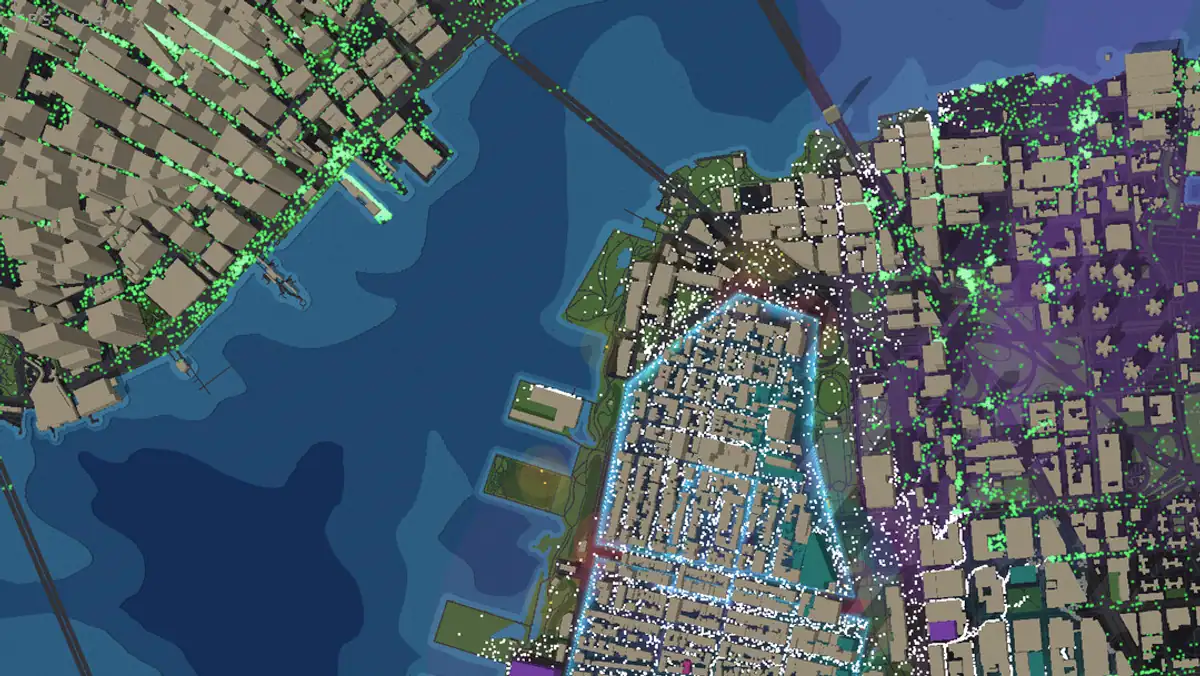
The refund rule
Garrisons are the unit most often refunded, because they are the unit most often placed badly. The X refund key returns the money instantly, and during the planning phase REFUND ALL wipes everything.
Use both. A layout you do not believe in is worse than an empty map, because it spends money on ground you are about to lose. The money guide → covers the rest of the budget arithmetic, and the defense setup → shows where garrisons sit in a three-layer layout.
If you are new, win a mission using only garrisons, spikes and one sniper. You will learn more about corridors and sightlines than any amount of artillery will teach you.
Official source: Steam store page ↗ · SteamDB ↗ · Steam Community hub ↗
FAQ
How much does a garrison cost?
Fifteen dollars for the first purchase, rising with each additional garrison. The plus sign on the deploy bar marks the scaling price.
Do garrisons fight in the open?
They can, but they lose the advantage that makes them worth buying. A garrison's value comes from the building it occupies.
How many garrisons should I buy?
Four to six in an early run, placed on the civilian route. Beyond ten the escalating price makes them worse value than a sniper or a turret.
Can garrisons be refunded?
Yes. Select the garrison and use the refund key, or use REFUND ALL during planning to clear the entire layout.
Are garrisons useful late in a mission?
Less so. They hold ground but do not scale with zombie health, so their role shifts to blocking and delaying while damage units do the work.